
How to Turn a Wishlist Into a Gift Discovery Page People Actually Enjoy Browsing
Turn a wishlist into a browseable gift discovery page by organizing items into helpful categories, balancing variety with clarity, and making it easy for friends and family to explore, reserve, and gift with confidence.
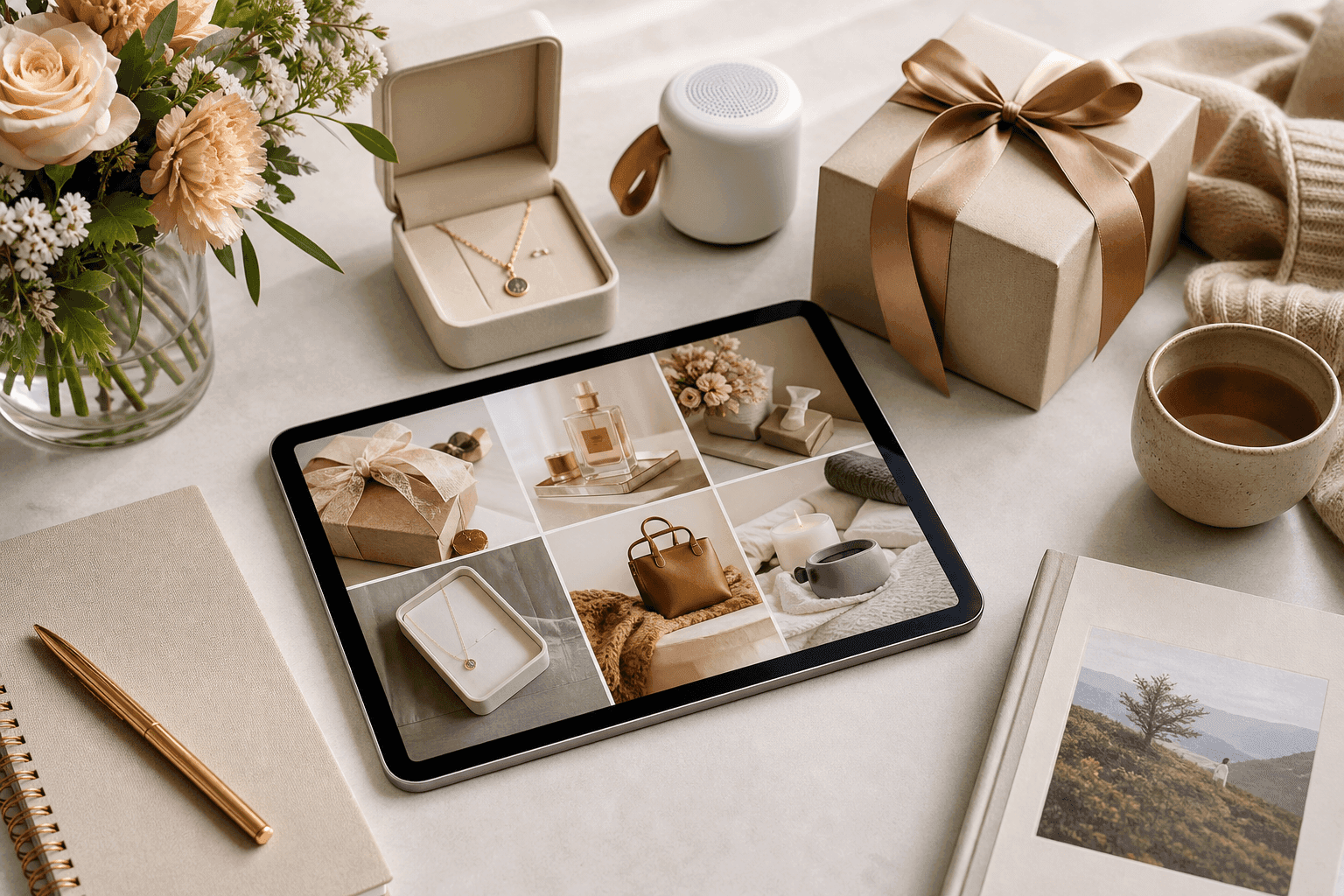
How to Turn a Wishlist Into a Gift Discovery Page People Actually Enjoy Browsing
A wishlist should do more than collect products. Done well, it becomes a gift discovery page: a place where friends and family can browse for ideas, compare options, and choose something thoughtful without second-guessing themselves. That matters because most people do not want a chaotic list of random links — they want wishlists gift inspiration that feels curated, easy to understand, and simple to act on.
If you are building a wishlist for birthdays, weddings, baby showers, holidays, or a group exchange, the goal is the same: help people shop by wishlist category without feeling overwhelmed. In practice, that means organizing items in a way that makes browsing feel natural, highlighting useful details, and giving each item enough context to spark confidence.
This article shows you how to turn a basic list into a page people actually enjoy exploring, using a structure that fits create-wishlist.com’s focus on discovery, sharing, and gift reservations.
Why a wishlist should feel like a discovery page
A traditional wishlist often behaves like a storage bin: add item, save item, repeat. But when you are sharing it with other people, the experience changes. The page is no longer just for you. It becomes a guide for someone else trying to find the right gift.
That shift is important for three reasons:
The best wishlists do not ask people to decode your taste. They help them browse it.
Start with the browsing experience, not the inventory
Before adding products, think about how a guest will move through the page. The most effective gift discovery pages feel intentional because the structure does the heavy lifting.
Ask three simple questions
If the page answers these questions well, it will feel organized even if the list contains many items.
Prioritize clarity over quantity
More items do not always mean more inspiration. In fact, a long, unfiltered list can make browsing harder. A better approach is to include a curated set of gifts with variety in:
This creates the feeling of gift ideas by store and wishlist gift inspiration instead of a generic catalog dump.
Build the list around categories people understand
One of the easiest ways to make a wishlist browsable is to group gifts into meaningful categories. The best categories are broad enough to scan quickly, but specific enough to guide decisions.
Useful category ideas
For personal wishlists, consider:
For event-specific lists, use categories that fit the occasion:
This is where shop by wishlist category becomes useful. Guests can go straight to the type of gift they want to explore instead of reading everything in one flat stream.
Group by store when the catalog is part of the experience
The homepage context for create-wishlist.com emphasizes a “catalog built for real gift discovery,” which is a useful clue: browsing should not feel limited to one retailer or one style of item. If your wishlist includes products from multiple shops, organize by store as well as category.
For example:
This kind of structure helps guests compare options quickly and discover items they might not have thought of on their own. It also mirrors real shopping behavior: many people start with a store they trust, then narrow down by price or category.
Make every item easy to evaluate
A gift discovery page works best when each product gives just enough information to guide a decision.
Include the essentials
For each item, make sure people can see:
That small note is often the difference between a forgettable link and a compelling gift idea. For example:
These notes transform the page from a list into a guide.
Keep the useful bits visible from the first click
A visitor should not have to open five products just to understand what is what. The homepage language on create-wishlist.com highlights that “the useful bits stay visible from the first click,” and that is exactly the right standard.
If possible, surface the most decision-making information up front:
The less guesswork, the better the browsing experience.
Use gift reservations to make browsing feel safe
A gift discovery page is only enjoyable if people can act on what they find. That is where private gift reservations matter.
When a guest sees that a gift can be reserved quietly, two good things happen:
This keeps the process polite and low-pressure. It also makes shared wishlists feel more useful for real groups — birthdays, weddings, baby showers, and friend plans all benefit from avoiding duplicate gifts.
Why reservations improve the browsing experience
Reservations create trust. A visitor browsing your wishlist is more willing to spend time considering options if they know their choice will not be duplicated. That safety net turns a simple list into a reliable decision tool.
On create-wishlist.com, the idea is simple: one list, one link, everyone stays in sync. That is a better browsing experience than an inbox full of “Did anyone already buy this?” messages.
Curate for different kinds of gift shoppers
Not everyone browsing your wishlist shops the same way. Some people want the easiest win. Others want something memorable. A strong gift discovery page gives both groups a way in.
The practical shopper
This person wants a gift that is useful, affordable, and easy to buy. Help them by including:
The inspiration-first shopper
This person wants ideas before a final decision. Help them by including:
The last-minute shopper
This person is browsing on a deadline. Help them by making the page scannable and reducing friction:
If your page serves all three shoppers, it will feel genuinely browseable.
Practical examples of a wishlist gift discovery page
Here are a few examples of how to apply the approach in real life.
Birthday wishlist
A birthday page could include:
Why it works: guests can browse by interest and budget without needing to ask what is appropriate.
Wedding registry
A wedding wishlist can be structured as:
Why it works: people can shop by category and quickly find something that fits their budget.
Secret Santa list
A Secret Santa page should be especially simple:
Why it works: the page feels easy, not excessive.
Shared friend-group wishlist
For group plans or shared gifting, combine:
Why it works: everyone can stay aligned without long chat threads.
Common mistakes that make wishlists hard to browse
Even a good list can feel messy if the structure is weak. Avoid these common issues.
Too many items with no hierarchy
If everything looks equally important, nothing stands out. Rank your items or separate them into priority tiers.
Vague product notes
A bare link does not explain why the item belongs on the list. Add a short reason or context.
Mixed goals on one page
Do not combine urgent needs, long-term wants, and random inspiration without labels. It makes the page harder to scan.
No reservation system
If gifts can be duplicated easily, guests may hesitate to choose anything. Reservation features remove that friction.
Too much repetition
Ten nearly identical items can feel less inspiring than four carefully chosen options. Curate with intent.
A simple framework for better wishlist curation
If you want a fast way to improve your page, use this four-part framework:
- Choose a structure
Organize by category, store, occasion, or budget.
- Add context
Explain why each item is on the list.
- Make browsing easy
Keep key details visible and use clear labels.
- Let people act privately
Use gift reservations so guests can pick confidently.
This framework turns a plain wishlist into a polished gift discovery page people enjoy using.
How create-wishlist.com supports better gift discovery
create-wishlist.com is designed around the idea that sharing should feel simple, private when needed, and useful from the first click. That is a strong fit for people who want a wishlist that doubles as a discovery page.
The platform’s browsing-friendly approach supports:
That combination is especially helpful if you want your list to feel less like a task and more like a curated guide.
Conclusion: design for the person browsing, not just the person listing
The best wishlists do not merely collect products. They help other people discover the right gift with confidence. When you organize items by category, group them by store, add useful context, and enable private reservations, your list becomes a page people actually enjoy browsing.
That is the core difference between a simple wishlist and a true gift discovery page: one stores ideas, the other helps people choose them.
If you are ready to build a wishlist that feels thoughtful instead of chaotic, start by curating fewer, better items and giving them a structure that makes sense to someone else.
Next step
Create your wishlist on create-wishlist.com, organize it into clear categories, and share it with one link so friends and family can browse, reserve, and gift with ease.
This article was drafted with AI assistance and checked through automated source and evidence review before publication. Images are generated with AI.
Make your list easier to share
Collect wishes, keep gift ideas in one place, and help friends avoid duplicates.
Read next
More practical ideas for smoother gifting.

How to Make an Online Wish List for Birthdays, Weddings, and Everyday Use
Creating an online wish list is one of the simplest ways to organize gift ideas for birthdays, weddings, baby showers, holidays, and everyday use. With the right wish list app, you can collect items from favorite stores, share one link with friends and family, and avoid duplicate gifts with private reservations.

Private Wish Lists Explained: How Gift Reservations Prevent Duplicate Presents
Private wish lists make gifting calmer, more coordinated, and far less repetitive. This guide explains how gift reservations work, why they help avoid duplicate gifts, and how to use shared wishlist etiquette to keep surprises thoughtful without creating awkwardness.

The Best Way to Build a Wishlist from Any Store: Add Items with One Link
A flexible wishlist should work with the stores you already love—not force you into one marketplace. Learn how to build a wishlist from any store, share it with one link, and keep gifts organized without duplicate purchases.